
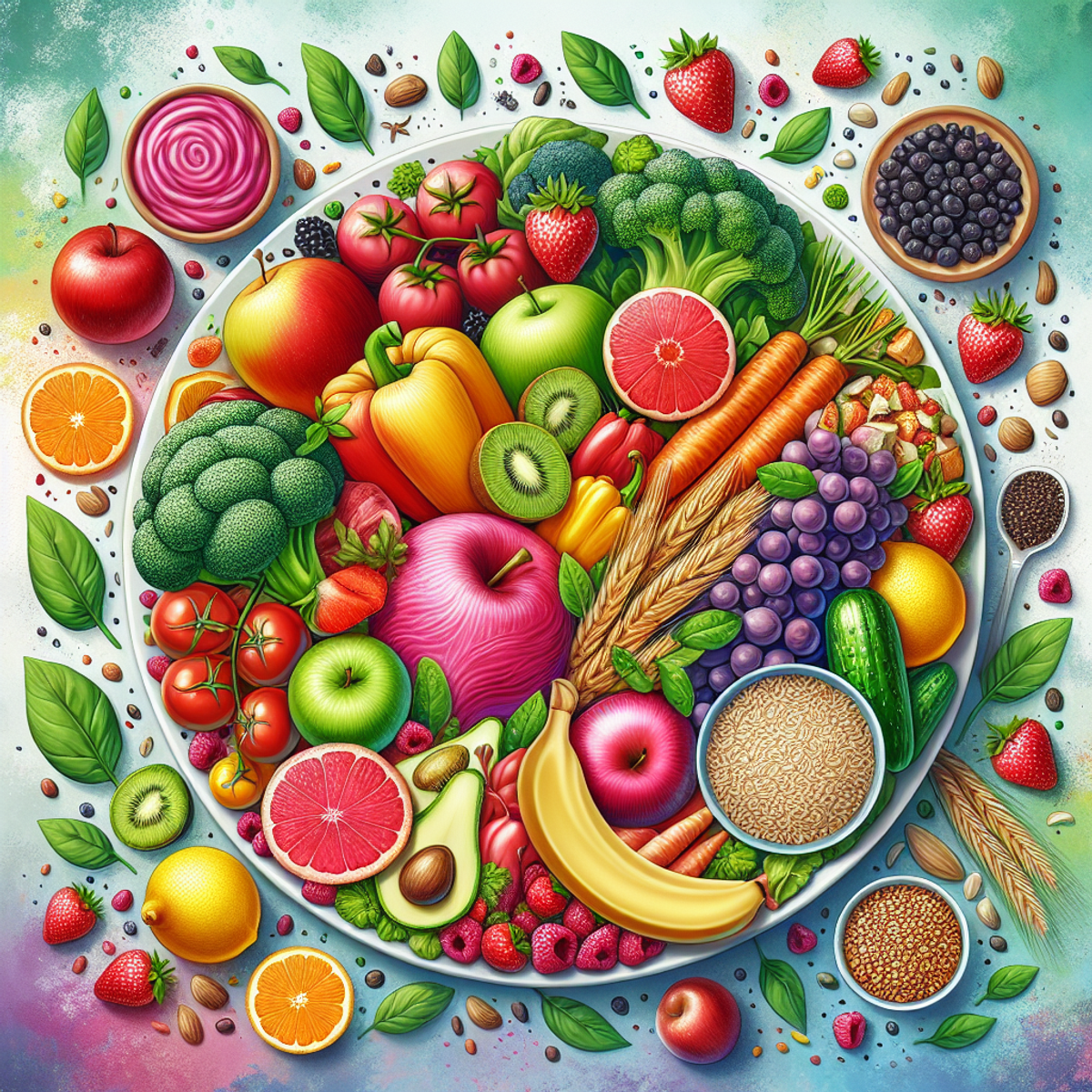
Introduction
The purpose of this article is to provide comprehensive health tips for 2024 while optimizing for SEO. In today's fast-paced world, maintaining good health is more important than ever. Our physical and mental well-being are closely connected, and prioritizing our health can help us stay ahead in all aspects of life.
In 2024, the relevance of health tips cannot be overstated. With the increasing prevalence of sedentary lifestyles, processed foods, and mental health challenges, it is crucial to equip ourselves with knowledge and strategies to lead a healthy lifestyle.
By following these health tips, you can take proactive steps towards improving your overall well-being. From balanced nutrition to mindful eating habits, hydration, nutrient-rich foods, and sustainable approaches to eating, each tip will contribute to your journey towards optimal health.
So let's dive into these health tips for 2024 and discover how small changes can make a big impact on your physical and mental well-being.
"The greatest wealth is health." - Virgil
1. Balance Your Nutrition Intake
Balanced nutrition is the cornerstone of a healthy lifestyle, providing the body with essential nutrients to function optimally. It involves consuming a wide variety of foods in appropriate portions to meet the body's needs for growth, repair, and overall well-being. Experts emphasize the importance of balanced nutrition as it directly impacts energy levels, weight management, and disease prevention.
1.1. Managing Your Calorie Intake
Understanding the concept of calories and their impact on weight and energy levels is crucial for maintaining a healthy balance. Calories are units of energy found in food and drinks, and the body uses them to sustain its functions. Consuming more calories than needed leads to weight gain, while consuming fewer calories may result in weight loss. Portion control and mindful eating techniques are effective strategies for managing calorie intake without depriving yourself of essential nutrients.
1.2. Embracing Variety in Your Diet
Incorporating a diverse range of nutrient-dense foods into your meals offers numerous benefits for overall health. Starchy carbohydrates like whole grains provide essential energy, while fruits and vegetables offer vital vitamins, minerals, and fiber. Lean proteins such as poultry, fish, beans, and nuts contribute to muscle health and repair. By including these different food groups in your diet, you ensure that your body receives a spectrum of nutrients necessary for optimal functioning.
1.3. The Role of Fats in a Balanced Diet
Understanding the role of fats in a balanced diet is essential for making informed dietary choices. Saturated fats, found in animal products and processed foods, can increase cholesterol levels and the risk of heart disease when consumed excessively. On the other hand, unsaturated fats like those found in olive oil, avocados, and nuts can have positive effects on heart health when consumed in moderation. Polyunsaturated fats from sources like fatty fish also offer anti-inflammatory properties beneficial for overall well-being.
By choosing healthier sources of fats and incorporating them into your diet sensibly, you can optimize your nutritional intake and support your long-term health goals.
The approach to balanced nutrition outlined here provides practical insights into achieving a healthier lifestyle through mindful eating habits and informed food choices.
2. Cultivate Healthy Eating Habits
When it comes to maintaining a healthy lifestyle, cultivating healthy eating habits is another key aspect that should not be overlooked. Mindful eating habits and conscious food choices can greatly contribute to overall well-being. In this section, we will explore two important components of healthy eating habits: reducing added sugars in your diet and the power of meal planning.
2.1. Reducing Added Sugars in Your Diet
Excessive sugar consumption can have negative effects on your health, including weight gain, increased risk of chronic diseases like diabetes and heart disease, and dental problems. Cutting back on added sugars in everyday foods and beverages is crucial for maintaining a healthy diet.
Here are some practical ways to reduce your sugar intake:
- Read food labels: Pay close attention to the ingredients list and look for hidden sources of added sugars such as high fructose corn syrup, dextrose, sucrose, or maltose.
- Choose whole foods: Opt for whole foods like fruits, vegetables, whole grains, and lean proteins instead of processed foods that often contain added sugars.
- Limit sugary drinks: Sugary drinks like soda, fruit juices, and sweetened teas can be major contributors to sugar intake. Replace these drinks with water, herbal tea, or unsweetened beverages.
- Use natural sweeteners: If you need to sweeten your food or beverages, try using natural alternatives like honey, maple syrup, or stevia in moderation.
By being mindful of your sugar intake and making conscious choices to reduce added sugars in your diet, you can take control of your health and well-being.
2.2. The Power of Meal Planning
Meal planning is a powerful tool that can contribute to healthier eating patterns by promoting home-cooked meals and better portion management. It involves deciding what meals you will eat in advance and preparing them ahead of time.
Here are some benefits of meal planning:
- Saves time and money: By planning your meals in advance, you can make a grocery list and shop for specific ingredients, saving you time wandering aimlessly in the supermarket. Additionally, cooking at home is generally more cost-effective than eating out.
- Promotes healthier choices: When you plan your meals, you have more control over what goes into your dishes. You can incorporate a variety of nutrient-rich foods and avoid relying on processed or unhealthy options.
- Reduces food waste: Meal planning allows you to use ingredients efficiently, reducing the chances of food going to waste. You can also repurpose leftovers into new meals, maximizing the nutritional value of your food while minimizing waste.
To make meal planning effective, consider these tips:
- Set aside time for planning: Dedicate a specific time each week to plan your meals and create a shopping list. This will help you stay organized and ensure you have all the necessary ingredients.
- Include a variety of foods: Aim for a balanced mix of fruits, vegetables, whole grains, lean proteins, and healthy fats in your meal plan. This ensures that you are getting a wide range of nutrients.
- Prep ahead of time: Once you've planned your meals, spend some time prepping ingredients or even cooking some meals in advance. This will save you time during busy weekdays and make it easier to stick to your healthy eating plan.
By incorporating meal planning into your routine, you can take control of your diet and set yourself up for success in maintaining healthy eating habits.
Cultivating healthy eating habits is essential for maintaining overall well-being. By reducing added sugars in your diet and embracing the power of meal planning, you can make conscious choices that support your health goals. Remember, small changes in your eating habits can have a big impact on your overall health journey.
3. Prioritize Hydration and Nutrient-Rich Foods
In the pursuit of a healthy lifestyle, it's essential to prioritize not only what we eat but also how we hydrate our bodies and the quality of the nutrients we consume. Often overlooked, hydration and nutrient-rich foods play a crucial role in maintaining optimal health and overall well-being.
3.1. Hydration for Optimal Body Functions
Staying adequately hydrated throughout the day is vital for supporting our body's functions, including cognitive function and physical performance. Water is essential for digestion, absorption, circulation, and even regulating body temperature. Here are some practical strategies to help you increase your water intake and make it a habit:
- Start your day with a glass of water: Kickstart your morning by hydrating your body with a refreshing glass of water. This simple habit sets the tone for the rest of the day.
- Carry a reusable water bottle: Having a water bottle readily available makes it easier to stay hydrated throughout the day. Keep it with you at work, during workouts, and while running errands.
- Set reminders: If you tend to forget to drink water, set reminders on your phone or use apps that can send you notifications at regular intervals. This will help you stay on track with your hydration goals.
- Flavor it up: If plain water seems boring, try infusing it with slices of fruits like lemon,
dy Functions
Staying adequately hydrated throughout the day is vital for supporting our body's functions, including cognitive function and physical performance. Water is essential for digestion, absorption, circulation, and even regulating body temperature. Here are some practical strategies to help you increase your water intake and make it a habit:
- Start your day with a glass of water: Kickstart your morning by hydrating your body with a refreshing glass of water. This simple habit sets the tone for the rest of the day.
- Carry a water bottle: Keep a reusable water bottle with you wherever you go. Having water readily available will remind you to drink throughout the day.
- Set reminders: In our busy lives, it's easy to forget to drink enough water. Set reminders on your phone or use apps that can help track your water intake.
- Infuse your water: If plain water feels boring, infuse it with slices of fruits like lemon, cucumber, or berries to add a burst of flavor.
- Be mindful during workouts: When exercising, drink water before, during, and after your workout to replenish lost fluids.
3.2. The Vibrant World of Nutrient-Rich Choices
Consuming foods that are rich in essential vitamins, minerals, and antioxidants is key to promoting good health and well-being. Incorporating nutrient-dense options into your diet ensures that you're providing your body with the necessary fuel for optimal performance. Consider including the following examples of nutrient-rich choices in your meals:
- Whole Grains: Opt for whole grain options like quinoa, brown rice, and whole wheat bread. These are packed with fiber, B vitamins, and minerals that support digestive health and provide sustained energy throughout the day.
- Colorful Vegetables: Fill your plate with a variety of colorful vegetables such as spinach, kale, bell peppers, and carrots. These vibrant veggies are loaded with vitamins, minerals, and antioxidants that help protect against chronic diseases.
- Lean Proteins: Incorporate lean proteins into your meals, such as skinless chicken breast, fish, tofu, or legumes. These protein sources contain essential amino acids necessary for muscle growth and repair.
- Nutrient-Dense Fruits: Enjoy a rainbow of fruits like berries, oranges, apples, and bananas. They are not only delicious but also rich in vitamins, fiber, and antioxidants that support overall health.
By prioritizing nutrient-rich foods and staying adequately hydrated throughout the day, you're providing your body with the essential building blocks it needs to function optimally. Remember to make these habits a consistent part of your daily routine to reap the long-term benefits they offer.
"Hydration and nutrient-rich foods are often overlooked aspects of a well-rounded approach to health and wellness. By prioritizing water intake and incorporating nutrient-dense choices into your diet, you can optimize your body's functions and support overall well-being."
4. Nurturing a Sustainable Approach to Eating
Explore the Intersection of Health and Environmental Sustainability
The choices we make about food not only impact our personal health but also have far-reaching effects on the environment. By adopting sustainable eating habits, we can contribute to both our well-being and the health of the planet.
4.1. Redefining Food Waste as 'Lost Nutrition'
Food Waste and Environmental Impact
Food waste contributes significantly to environmental issues such as greenhouse gas emissions and resource depletion. By reducing food waste, we can minimize these detrimental effects.
Mindful Shopping and Storage
Practicing mindful shopping involves planning meals, creating shopping lists, and being conscious of expiration dates to avoid overbuying. Additionally, proper storage techniques can prolong the freshness of perishable items.
Repurposing Leftovers
Get creative with leftovers by transforming them into delicious new dishes. For example, vegetable scraps can be used to make flavorful broths, and overripe fruits can be repurposed into smoothies or baked goods.
4.2. The Role of Mindful Indulgence in Long-Term Dietary Success
Occasional Treats in a Balanced Diet
Allowing for occasional indulgences is an essential aspect of a sustainable approach to healthy eating. It's important to savor these moments without guilt while maintaining an overall balanced diet.
Savoring Indulgences Mindfully
Mindful indulgence involves fully enjoying treats while being present in the moment and appreciating the experience without allowing it to derail long-term dietary goals.
By nurturing a sustainable approach to eating that considers both personal health and environmental impact, we can make meaningful contributions towards a healthier future for ourselves and the planet.
Embrace a Holistic View of Health
To achieve and maintain good health, it's important to take a holistic approach that addresses not only our physical needs but also our mental and emotional well-being. Here are three key areas to focus on:
5.1. Managing Stress for Overall Wellness
Stress is a natural response to the demands of life, but when it becomes chronic, it can have negative effects on both our physical and mental health. Here are some strategies for managing stress:
- Practice mindfulness: By bringing our attention to the present moment, we can reduce anxiety and improve our overall sense of well-being.
- Engage in regular exercise: Physical activity is not only great for our bodies, but it also releases endorphins, which are natural mood boosters.
- Find hobbies that bring you joy: Whether it's painting, playing an instrument, or gardening, having activities that you love can provide a much-needed break from daily stressors.
5.2. Unlocking the Power of Restorative Sleep
Sleep is often overlooked as an essential component of good health, but it plays a crucial role in our overall well-being. Here are some tips for getting better sleep:
- Establish a bedtime routine: Going to bed and waking up at the same time every day can help regulate your body's internal clock and improve sleep quality.
- Create a sleep-friendly environment: Make sure your bedroom is cool, dark, and quiet to create an optimal setting for restful sleep.
- Limit screen time before bed: The blue light emitted by electronic devices can interfere with sleep hormones, so try to avoid screens for at least an hour before bedtime.
5.3. Moving Your Body Regularly
Physical activity is not only important for maintaining a healthy weight but also has numerous benefits for our cardiovascular health and overall well-being. Here are some ideas for staying active:
- Find activities you enjoy: Whether it's dancing, hiking, or playing a sport, finding physical activities that you genuinely like will make it easier to stick with them.
- Incorporate exercise into your daily routine: Look for opportunities to be active throughout the day, such as taking the stairs instead of the elevator or going for a walk during your lunch break.
- Listen to your body: It's important to choose exercises that are appropriate for your fitness level and to pay attention to any signs of pain or discomfort. If something doesn't feel right, don't push yourself too hard.
By addressing these key areas - stress management, quality sleep, and regular physical activity - we can take a proactive approach to our health and well-being. Remember, small changes can add up to big results over time!
6. The Role of Technology in Health Management
Advancements in technology have revolutionized the way we approach health management, with the emergence of innovative mobile apps and digital platforms. These tools provide individuals with convenient and accessible ways to track their health, access healthcare services, and take proactive steps towards improving their overall well-being.
6.1. Leveraging Health Tracking Apps for Motivation and Accountability
Health tracking apps have gained popularity in recent years, offering users the ability to monitor various aspects of their health, including nutrition, physical activity, sleep patterns, and overall progress towards their goals. These apps provide valuable insights and data that can empower individuals to make informed decisions about their lifestyle choices.
Some popular types of health tracking apps include:
- Nutrition Trackers: These apps allow users to log their daily food intake, track macronutrients, and monitor calorie consumption. They often provide a comprehensive database of food items and their nutritional content, making it easier for individuals to maintain a balanced diet.
- Fitness Apps: Fitness apps offer a range of features such as workout tracking, step counting, heart rate monitoring, and goal setting. They provide personalized exercise plans and help users stay motivated by recording their progress and achievements.
- Sleep Trackers: Sleep is crucial for overall health and well-being. Sleep tracking apps analyze sleep patterns, duration, and quality to help users understand their sleep habits better. This information can be used to make adjustments in bedtime routines or create a more conducive sleep environment.
- Mental Health Apps: Mental well-being is an essential aspect of overall health. Mental health apps provide tools for stress management, meditation guidance, mood tracking, and even virtual therapy sessions. These apps can be particularly beneficial for those who may not have easy access to mental health resources.
When choosing a health tracking app, it's important to consider reliability and user reviews. Some highly recommended apps in each category include:
- Nutrition Trackers: MyFitnessPal, Lose It!
- Fitness Apps: Nike Training Club, Strava
- Sleep Trackers: Sleep Cycle, Pillow
- Mental Health Apps: Headspace, Calm
6.2. The Future of Healthcare: Telemedicine and Beyond
Telemedicine is a rapidly growing field that utilizes technology to provide healthcare services remotely. It has the potential to improve access to quality healthcare, particularly in underserved areas or during times of crisis. Telemedicine allows patients to consult with healthcare professionals through video calls, phone calls, or secure messaging platforms.
The benefits of telemedicine include:
- Increased Access: Telemedicine eliminates geographical barriers and allows individuals to receive medical advice and consultations from the comfort of their own homes. This is especially beneficial for those living in rural or remote areas with limited access to healthcare facilities.
- Convenience: Telemedicine provides a convenient alternative to in-person visits, saving patients both time and money. It reduces the need for travel and waiting times, making healthcare more accessible for individuals with busy schedules or mobility limitations.
- Continuity of Care: Telemedicine allows for continuous monitoring of chronic conditions and follow-up appointments without the need for frequent visits to healthcare facilities. It enables healthcare professionals to track patient progress remotely and make necessary adjustments to treatment plans.
However, it's important to acknowledge some challenges associated with the widespread adoption of digital healthcare solutions:
- Technological Barriers: Not everyone has access to the internet or possesses the necessary technological devices to participate in telemedicine consultations. This could create disparities in access to healthcare services.
- Privacy and Security Concerns: Transmitting sensitive health information over digital platforms raises concerns about data security and patient privacy. Healthcare providers must ensure robust security measures are in place to protect patient information.
In conclusion, technology has become an indispensable tool in health management. Health tracking apps provide individuals with the means to monitor their health and make informed decisions, while telemedicine offers increased accessibility to healthcare services. Embracing these digital solutions can empower individuals to take control of their well-being and stay ahead in terms of their physical and mental health in the fast-paced world of 2024.
Conclusion
In today's fast-paced world, maintaining good health is more important than ever. By following these comprehensive health tips, you can optimize your physical and mental well-being in 2024 and beyond. Let's recap the key points discussed throughout this article:
Balance Your Nutrition Intake
A balanced diet is crucial for a healthy lifestyle. Incorporate a wide range of nutrient-dense foods into your meals, including starchy carbohydrates, fruits, vegetables, and lean proteins. Choose healthier fats like unsaturated and polyunsaturated fats.
Cultivate Healthy Eating Habits
Mindful eating habits and conscious food choices play a significant role in maintaining a healthy lifestyle. Reduce added sugars in your diet and embrace the power of meal planning to promote home-cooked meals and better portion management.
Prioritize Hydration and Nutrient-Rich Foods
Don't overlook the importance of hydration and nutrient quality in your overall health. Stay adequately hydrated throughout the day and consume foods that are rich in essential vitamins, minerals, and antioxidants.
Nurturing a Sustainable Approach to Eating
Our food choices can make a difference not only to our personal health but also to the environment. Avoid food waste by practicing mindful shopping and storage practices. Allow yourself occasional treats and indulgences in a balanced approach to healthy eating.
In conclusion, prioritizing your health is vital for thriving in today's world. Embrace a long-term mindset towards your well-being, understanding that it is a journey rather than a destination. Take action on the practical tips shared in this comprehensive guide to maintain good health for years to come.
Remember, small changes can have a big impact on your overall health. Start implementing these health tips today and enjoy the benefits of a healthier lifestyle.


 Posts
Posts


0 Comments